
Porsche’s global deliveries fall by 16% in 2026
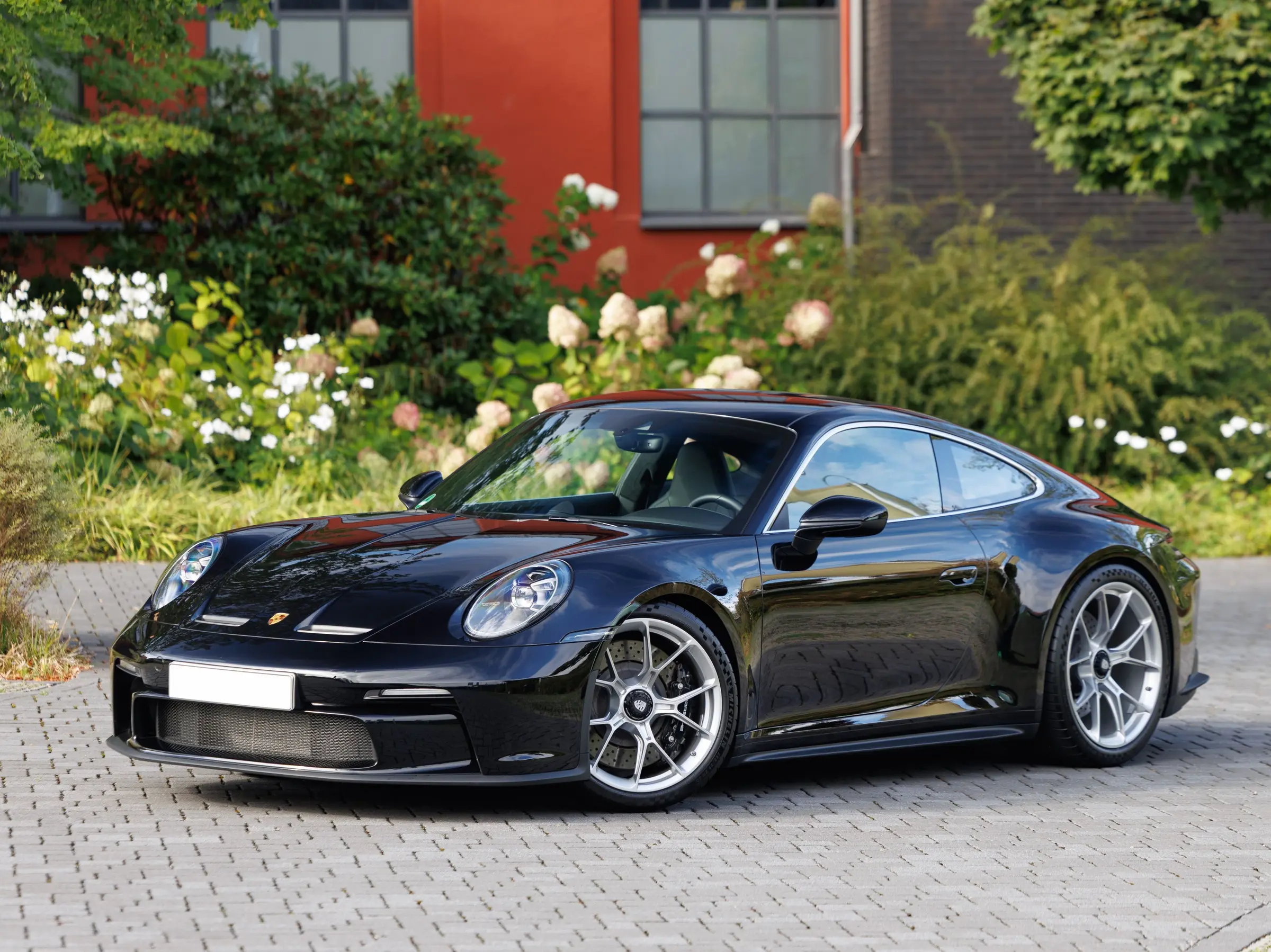
Porsche is facing another challenging year in an increasingly complex automotive market. During the first nine months of 2026, the Stuttgart-based sports car manufacturer delivered 178,532 vehicles to customers worldwide, representing a 16 per cent decline compared with the same period last year. Yet, behind these figures lies a more nuanced story, with the legendary Porsche 911 continuing to attract customers and the first deliveries of the all-electric Cayenne marking an important new chapter in the history of the brand.
According to the latest figures published by Porsche AG, the company delivered 212,509 vehicles during the first three quarters of 2025. The decline in 2026 reflects a combination of challenging market conditions, changes in model availability and Porsche’s continued commitment to a sales strategy that prioritises value over volume.
For Porsche, the objective is clear: maintaining the exclusivity and desirability of the brand remains more important than pursuing higher delivery numbers at any cost.
The Porsche 911 remains a firm favourite
There is encouraging news for enthusiasts of Porsche’s most iconic sports car. Between January and September 2026, worldwide deliveries of the Porsche 911 increased by 12 per cent, reaching 42,217 units.

The figures underline the enduring appeal of a sports car that has remained at the heart of the Porsche identity for more than six decades. While the automotive industry continues its transition towards electrification and changing customer expectations, the 911 demonstrates that the traditional Porsche formula still has considerable appeal.
Demand for the more exclusive and performance-oriented versions of the range is particularly strong. The GTS, Turbo and GT derivatives continue to account for a significant share of deliveries, reflecting the willingness of customers to choose models that offer something beyond the standard sports car experience.
For Porsche, this is an important development. Rather than simply increasing production volumes, the company is concentrating on desirable models that reinforce its position in the premium and luxury sports car segments.
Cayenne remains Porsche’s best-selling model
With 59,586 vehicles delivered worldwide during the first nine months of 2026, the Porsche Cayenne remains the brand’s most successful model line.

Deliveries were down by just two per cent compared with the same period in 2025, a relatively modest decline given the wider market conditions. The introduction of the all-electric Cayenne is also beginning to contribute to the figures. Since customer deliveries started during the summer, Porsche has handed over 7,002 examples of its new electric SUV.
The Cayenne therefore continues to play a crucial role in Porsche’s global business, combining the practicality expected from a luxury SUV with the performance and driving character associated with the Stuttgart manufacturer.
The Macan remains another important model, although its delivery figures tell a more complicated story. Porsche delivered 51,025 examples during the first nine months of the year, a decline of 21 per cent. This total includes 23,029 fully electric Macan models and 27,996 examples equipped with combustion engines.

Production of the combustion-engined Macan ended during the summer of 2026, marking the end of an important chapter for a model that helped establish Porsche as a major player in the compact luxury SUV segment. The transition between powertrains, combined with the comparison against the previous year’s figures, continues to influence the Macan’s overall performance.
The end of the 718 model line
The figures for the Porsche 718 Boxster and 718 Cayman reflect another significant change in the company’s model range. Just 3,291 vehicles were delivered during the first nine months of 2026, representing a decline of 79 per cent compared with the same period last year. Production of the 718 model line had ended in October 2025, leaving Porsche without new production volumes to replenish the supply of these much-loved mid-engined sports cars.
For enthusiasts, the Boxster and Cayman have long represented a particularly appealing interpretation of the Porsche philosophy: compact dimensions, a mid-engined layout and a focus on driving enjoyment. Their departure from production inevitably affects the company’s delivery figures, particularly in markets where these models traditionally enjoyed strong demand.

The Panamera and Taycan also recorded lower deliveries. Porsche handed over 13,714 Panamera models, a decrease of 35 per cent, while deliveries of the all-electric Taycan reached 8,699 units, down 31 per cent.
Taken together, these figures illustrate the challenges Porsche faces as it adapts its model portfolio to changing market conditions and prepares for the next generation of its sports cars.
North America remains the largest market
North America continued to be Porsche’s largest sales region during the first nine months of 2026, with 56,088 vehicles delivered. This represented a decline of 13 per cent compared with the previous year. Europe, excluding Germany, accounted for 44,949 deliveries, down 11 per cent. In Porsche’s home market of Germany, 20,954 vehicles were delivered, a decrease of seven per cent.
The picture was more difficult in the Overseas and Emerging Markets region, where deliveries fell by 19 per cent to 35,048 vehicles. China remains a particular challenge. Porsche delivered 21,493 vehicles there during the first nine months of the year, representing a substantial decline of 33 per cent.
The company continues to face a demanding competitive environment in China, alongside changing customer preferences and pressure across the luxury automotive sector. Porsche is therefore maintaining its value-oriented approach, placing greater emphasis on brand positioning and long-term desirability rather than short-term sales volumes.
Although the declines affect every major sales region, the underlying circumstances differ from one market to another. The end of 718 production and the discontinuation of the combustion-engined Macan have contributed to product availability gaps, while the strong performance of certain models during 2025 has also created a more demanding comparison.
A strategy built around exclusivity
Porsche’s latest delivery figures should be considered in the context of the company’s longer-term ambitions.
The manufacturer continues to pursue a strategy that puts value ahead of volume, with a particular focus on high-performance derivatives, exclusive specifications and individualisation. The strong demand for GTS, Turbo and GT models, especially within the 911 range, supports this direction.
Matthias Becker, Porsche’s Executive Board member responsible for Sales and Marketing, has highlighted the appeal of these more exclusive ver0sions and their importance in reinforcing the brand’s position in the premium and luxury segments.
The company has also presented its Sportwagenschmiede ’35 strategy, outlining its ambitions for the years ahead. The plan reflects Porsche’s intention to sharpen its identity as a manufacturer of desirable sports cars while adapting its product portfolio to the realities of a changing automotive industry.
For Porsche, the challenge is not simply to sell more cars. It is to ensure that the cars it produces continue to justify their position in a highly competitive luxury market.
Looking ahead
The first nine months of 2026 have undoubtedly been difficult for Porsche in terms of global deliveries. With 178,532 vehicles handed over to customers, the company remains well below last year’s level, while the situation in China and the transition within its model range continue to weigh on the results.
Nevertheless, the continued growth of the Porsche 911 and the initial contribution of the all-electric Cayenne offer important signs of resilience. They also demonstrate the breadth of Porsche’s appeal, from traditional sports car enthusiasts to customers embracing the next generation of electric performance vehicles.
The coming months will reveal how effectively the company can navigate these changes while preserving the characteristics that have defined Porsche for generations.
For enthusiasts, the message is particularly clear: even in a rapidly changing automotive world, the Porsche 911 remains a central part of the brand’s story. And as Porsche continues to reshape its model range, the challenge will be to ensure that future generations of sports cars retain the unmistakable character that has made the Stuttgart marque so special.
Pictures ©Porsche AG and TIm Havermans


