
Tour Auto 2026: a thrilling journey through France’s most iconic roads and classic cars.
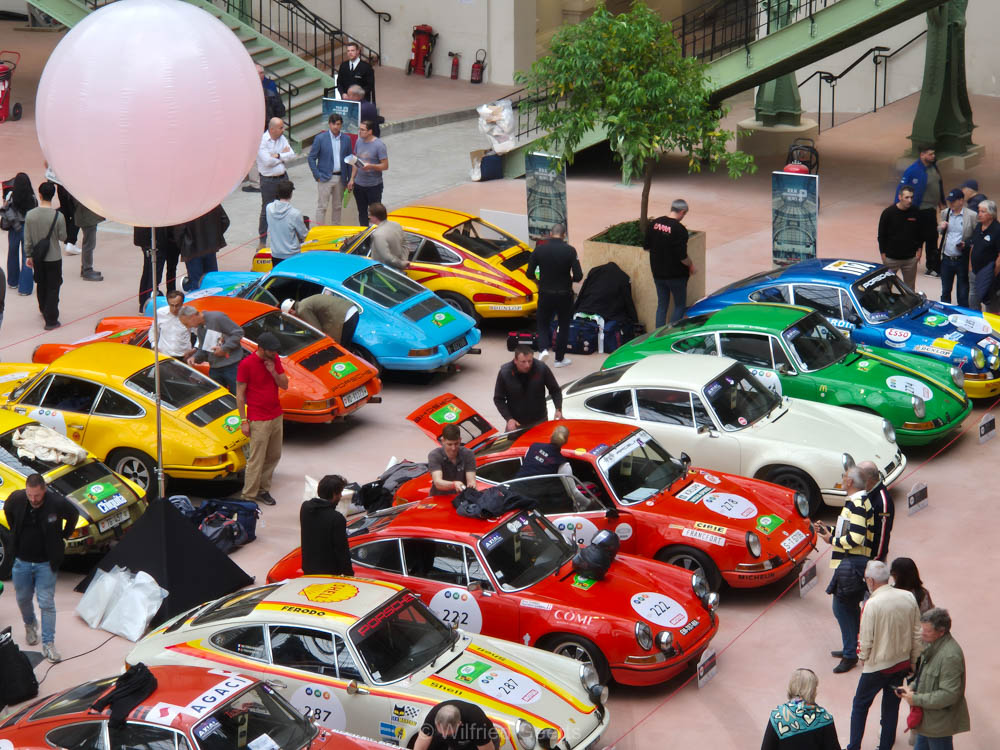
The Tour Auto 2026 is one of the most prestigious historic motoring events in Europe, blending competition, heritage, and scenic travel across France. Held in early May, this rally is the modern revival of the former Tour de France Automobile and brings together more than 230 classic and competition cars—from legendary brands such as Ferrari, Porsche, Jaguar, and BMW—for a five-day journey across the country.
What the Tour Auto 2026 is all about
At its core, the Tour Auto is both a sporting competition and a rolling exhibition of automotive history. Before the race begins, all participating cars are displayed in Paris under the glass roof of the Grand Palais, turning the venue into a temporary museum of rare and iconic vehicles. From there, the cars set off on a demanding route that combines:
- Closed-road special stages, where drivers race against the clock
- Circuit races on famous tracks
- Road sections, linking cities and showcasing France’s landscapes
This dual format makes the event unique: competitors must balance speed and precision on track with endurance and reliability over long distances. Some participants aim to win in their category, while others take part for the experience and passion for classic cars.
The Tour Auto is also a cultural and public event. As the convoy passes through towns and villages, spectators gather to watch these rare machines in motion, creating a festive atmosphere along the route. Each edition follows a different itinerary, keeping the event fresh and challenging year after year.
Route of the 2026 edition (short overview)
The 2026 route runs from Paris to Biarritz, covering roughly 2,000 km in five stages. After the initial exhibition in Paris, the rally officially starts and heads southwest through France.
Here is a simplified overview of the route:
- Paris → Clermont-Ferrand (Stage 1)
The rally begins after the ceremonial start, heading towards central France with a first circuit race at Magny-Cours. - Clermont-Ferrand → Pont du Gard (Stage 2)
Competitors cross the mountainous Massif Central before reaching the historic Roman site of the Pont du Gard. - Pont du Gard → Toulouse (Stage 3)
A scenic and technical stage featuring varied terrain and a stop at the Albi circuit. - Toulouse → Pau (Stage 4)
The route heads toward the Pyrenees, including mountain roads and another circuit event near Pau. - Pau → Biarritz (Final stage)
The final leg crosses southwestern France before finishing on the Atlantic coast in Biarritz.
Conclusion
The Tour Auto 2026 is much more than a race: it is a celebration of automotive history, combining competition, travel, and spectacle. With its mix of legendary cars, iconic roads, and passionate participants, it remains a highlight of the classic car calendar and a unique way to experience France through the lens of motoring heritage.
Picture gallery Tour Auto 2026
Pictures © Wilfried Geerts


